If you're considering making Colorado your home — or you're already lucky enough to call it that — there's one bucket-list experience that perfectly captures why so many of us fell in love with this state in the first place. It's called a hut trip, and once you've done it, you'll understand why people plan them months (sometimes years) in advance.
Living along the Front Range or in the mountain communities of Colorado means you have access to one of the most extraordinary backcountry systems in the world: the 10th Mountain Division Hut Association. With 38 backcountry huts connected by over 350 miles of suggested routes, this nonprofit organization offers a truly unique way to experience Colorado's high country — in both winter and summer.
I've personally stayed at three of the huts — Vance's Cabin, the 10th Mountain Division Hut, and Broome Hut — and each one was a memorable adventure in its own right. Here's everything you need to know about these incredible escapes, right in our own backyard.
A Little History
The 10th Mountain Division Hut Association was founded in 1982 to honor the soldiers of the U.S. Army's 10th Mountain Division, who trained at Camp Hale in central Colorado during World War II to prepare for alpine combat in Europe. Upon his return from the war, 10th Mountain veteran Fritz Benedict envisioned building a European-style hut system in the very mountains where those soldiers had trained. That vision became a reality — and today the huts stand as a tribute to those soldiers' pursuit of excellence, self-reliance, and love of the outdoors. Values, it turns out, that translate beautifully to a backcountry adventure.
How It Works
Booking a hut is straightforward, though popular dates — especially winter weekends — go fast. You reserve the entire hut (or a spot in one, depending on availability) through the huts.org website. Many in-demand winter dates require entering a lottery, which opens each fall for the following winter season. Members of the association get early access to that lottery, which is a great reason to consider joining. For summer trips, availability is generally much easier to come by, and you can often book online with more flexibility.
Huts are typically rented by the night, and most sleep anywhere from 8 to 20 guests depending on the facility. Rates are very reasonable given the experience — think of it as backcountry lodging that pays for itself in memories.
Getting There: The Journey Is Part of It
This is not a drive-up campground. Getting to a hut is an adventure in itself, and that's the point.
In winter, most guests travel by cross-country skis, backcountry skis, snowshoes, or split snowboard. Routes range from beginner-friendly to expert-level, with trails passing through some of the most breathtaking alpine terrain in Colorado. The huts sit between 9,300 and 11,700 feet in elevation, so you'll earn your warm cabin.
In summer, the same routes become hiking and mountain biking trails. Many of the huts are accessible via dirt roads and trails through aspen groves, wildflower meadows, and above treeline tundra. A handful of huts even allow vehicle support, where you can park and use a provided gear cart to bring your belongings the final stretch — making summer trips more accessible for families and those with less backcountry experience.
What's Waiting for You When You Arrive
This is where the magic happens. After a few hours of skiing or hiking through the backcountry wilderness, you round a corner and there it is — a warm, welcoming cabin glowing in the snow (or nestled in summer wildflowers). You stomp off your boots, push open the door, and step into something that feels like a small miracle.
Every hut is stocked with the essentials to make your stay comfortable:
Heat: Wood-burning stoves, propane fireplaces, or pellet stoves keep the huts toasty. Firewood, matches, and everything you need to get a fire going are waiting for you.
Kitchen: All huts have propane burners, pots, pans, utensils, dishware, a percolator or French press for coffee, dish soap, and cleaning supplies. A few even have ovens and outdoor propane grills in the summer.
Sleeping: Every hut provides mattresses and pillows, but you bring your own sleeping bag and pillowcase. It's a small thing to pack, and it feels wonderful to crawl into your own cozy bag after a long day on the trail.
Lighting: Solar power, propane lanterns, or a generator keeps the lights on. A few huts even have outlets for charging devices.
Entertainment: After dinner, the real fun begins. The huts are stocked with card games, board games, and a shelf of books. There's a logbook at every hut where past visitors have left their stories — it's one of the most entertaining reads you'll find anywhere.
Water: Embrace the Process
One of the most memorable parts of a winter hut trip is the water situation. At most huts during winter, there's no running water — you melt snow. Buckets and a large pot are provided, and you'll spend some time scooping snow and melting it on the stove. Once melted, you boil or filter it before drinking. It sounds like a chore, but there's something deeply satisfying about this process — it connects you to the basics of survival and makes every cup of hot cocoa taste that much better.
In summer, most huts rely on a nearby stream as the water source, and a carrying backpack and large containers are provided for collection. Again, you filter or boil before drinking. Some huts have a cistern fed by roof-catchment, but that's best used for cleaning rather than drinking. A few of the more upscale huts do have running potable water — check individual hut pages on huts.org for specifics.
Food: A Real Backcountry Feast
You pack in everything you eat and drink. This is part of the fun! Planning hut meals is a beloved pre-trip ritual — people get creative with recipes that are calorie-dense for the trail yet worthy of a dinner party at the hut. Think: chili, pasta, soups, breakfast burritos, fondue. Don't forget your coffee, your favorite whiskey, and plenty of snacks for the trail.
What to bring:
All meals, snacks, and drinks for every person
Coffee, tea, hot cocoa
Cooking oil, spices, and any pantry staples you need
A water filter or purification tablets
Your sleeping bag and pillowcase
Cold food storage varies by hut — a few have propane or solar refrigerators, but most rely on a cooler, plastic bins, or simply the cold ambient temperature in winter. Plan your meals accordingly.
Bathrooms: Know Before You Go
This is one area where huts vary noticeably. Most huts have outhouses — some attached to the main structure, others a short walk away. Toilet paper is always provided, and honestly, an outhouse in the woods on a star-filled winter night has a certain charm of its own. However, some of the more developed huts do feature indoor bathrooms, which is a welcome luxury, especially for families with young children or those visiting in cold weather. When choosing your hut, it's worth checking the individual hut page on huts.org to see what kind of facilities are available — it can make a real difference in the experience.
Three Huts I've Personally Experienced
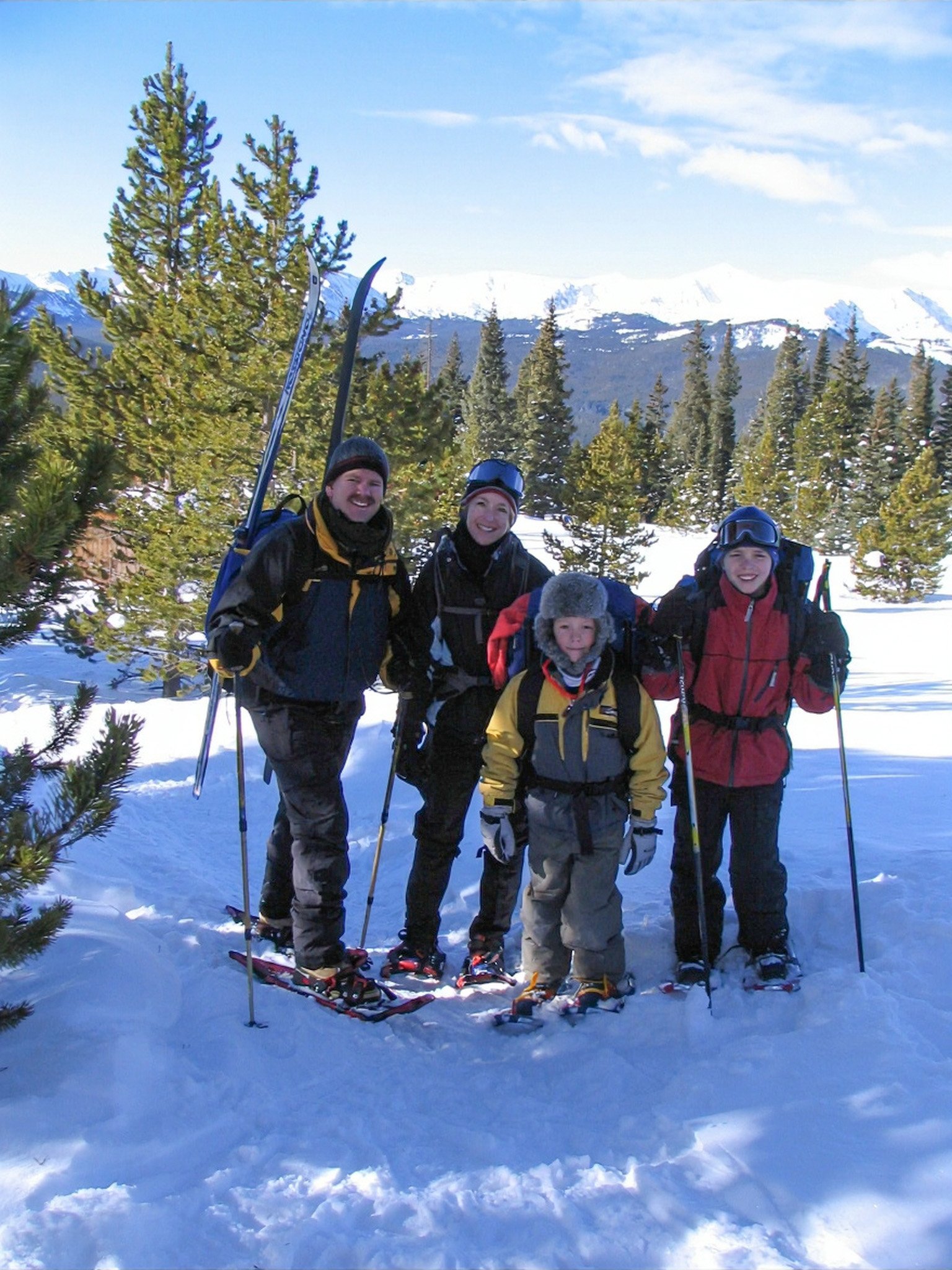
Vance's Cabin — Part of the Shrine Mountain Inn complex near Vail Pass, Vance's Cabin is one of the more accessible huts in the system and a great option for first-timers. The area around Shrine Pass offers some of the most spectacular views in Colorado, and the cabin itself is warm and inviting.
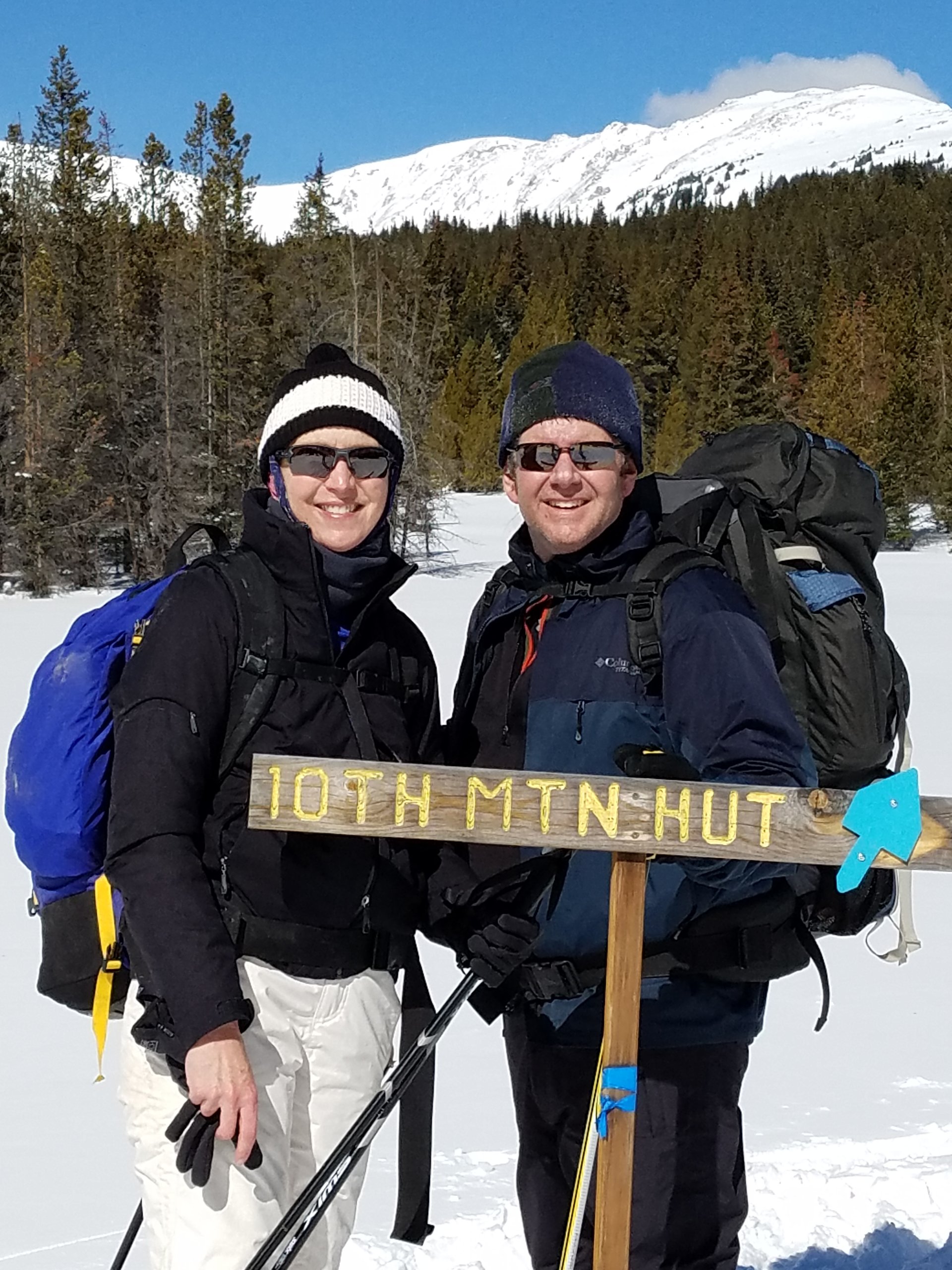
The 10th Mountain Division Hut — This is the namesake hut of the entire association, and visiting it feels significant. Situated in the heart of the White River National Forest between Aspen and Leadville, it sits at the crossroads of several historic routes. It's the hut that started it all, and spending a night there while thinking about the soldiers who trained on these same slopes is genuinely moving.
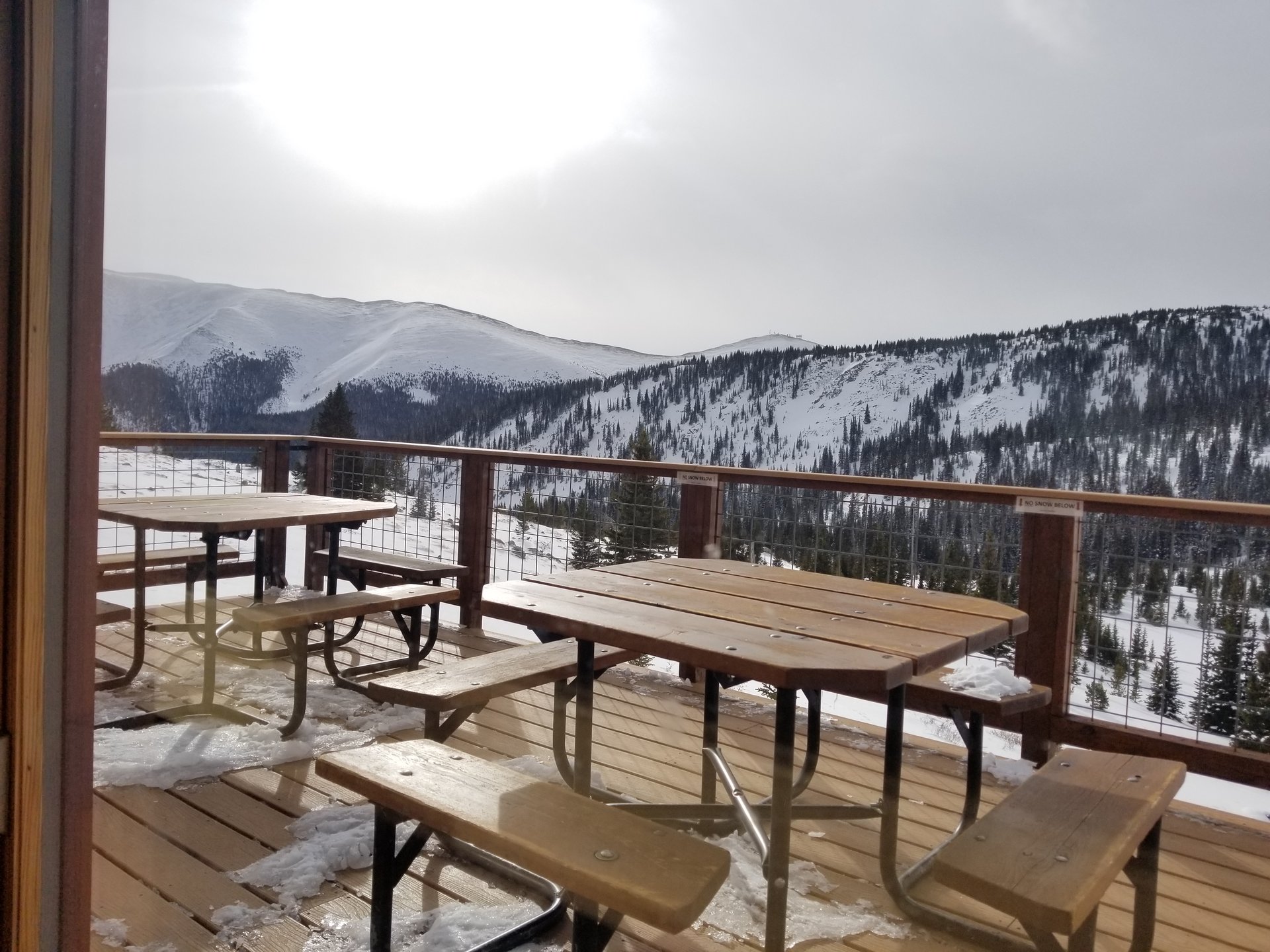
Broome Hut — Part of the Grand Huts system, the Broome Hut is a gem for those who love a more remote, wild backcountry experience. It has a distinctive pellet stove (the pellets and instructions are provided), and the approach through the high country is nothing short of spectacular in both winter and summer.
Each of these three huts offered something different — different terrain, different vibes, different groups of people — and all three were unforgettable.
The Magic of Meeting People
Here's something no website can fully prepare you for: the people you meet at a hut. When a group of strangers skis or hikes miles into the backcountry to share a small cabin for a night, something remarkable happens. Walls come down. By the time dinner is on the stove and someone's poured the first round of drinks, you're trading trail stories with people you've never met, learning about their lives, and laughing like old friends. I've met teachers, doctors, artists, farmers, and retirees at these huts — all brought together by a shared love of Colorado's mountains.
The communal dining table is the heart of every hut, and the conversations that happen around it are some of the best you'll have all year.
Winter vs. Summer: Which Season is Right for You?
Winter is the classic hut experience — traveling through a snow-hushed forest, arriving at a glowing cabin, drying wet gear by the fire, and waking up to a fresh-dusted landscape. It's physically demanding and requires proper backcountry safety knowledge (avalanche awareness is essential on many routes), but it's magical in a way that's hard to describe.
Summer opens the huts up to hikers, mountain bikers, and families who may not be backcountry skiers. The wildflowers are in full bloom, the mornings are crisp, and afternoons may bring dramatic mountain thunderstorms that roll through and clear to reveal the most vivid sunsets you've ever seen. Summer also means stream water, green meadows, and the chance to explore trails that are buried under ten feet of snow in January.
Both seasons are extraordinary — and many hut devotees make a point of visiting the same hut in both winter and summer just to experience the transformation.
Is a Hut Trip Right for You?
If you live in Colorado — or you're thinking about making this state home — a hut trip should be near the top of your list. It doesn't require elite athletic ability or expensive gear. It requires curiosity, a sense of adventure, and a willingness to embrace a few days of beautiful simplicity.
The 10th Mountain Division Hut Association has done something remarkable: they've preserved and protected access to Colorado's most spectacular backcountry while making it genuinely accessible to everyday people. Whether you're a seasoned backcountry skier or a hiker lacing up for your first overnight, there's a hut and a route designed for your experience level.
And when you return to the trailhead — tired, happy, smelling of woodsmoke — you'll already be planning your next trip.
Visit huts.org to explore all 38 huts, check availability, and start planning your adventure.
Questions about living near Colorado's best backcountry? I'd love to help you find the right Summit County community to call home that makes weekend adventures like this a way of life. Reach out anytime.